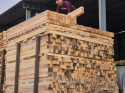
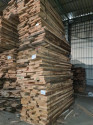
Doors are among the most important elements of any home, office, villa, hotel, or commercial building. Apart from providing security and privacy, wooden doors also enhance the overall appearance and value of a property.
However, choosing the best wood for doors in India can be challenging because different wood species offer different levels of durability, strength, appearance, moisture resistance, and pricing.
Whether you are constructing a new home or replacing old doors, this guide will help you understand the advantages, disadvantages, applications, and prices of the most popular door woods available in India.
A high-quality wooden door can last for decades with minimal maintenance.
Benefits include:
The lifespan of a wooden door depends largely on the quality of wood used.
Before purchasing wooden doors, consider the following factors.
Hardwood generally lasts much longer than softwood.
India experiences varying climatic conditions including humidity, heat, and rainfall. Choose wood that can tolerate moisture.
Naturally termite-resistant woods require less chemical treatment.
Some woods require frequent polishing while others maintain their appearance for years.
Door wood ranges from economical pine to premium teak.
Every wood species has a unique grain pattern, color, and finish.
Teak is considered the premium choice for wooden doors in India. Its exceptional durability, natural oil content, and elegant grain make it the preferred option for luxury homes and commercial projects.
Sal wood is widely used for heavy-duty doors because of its strength and durability.
Sheesham is one of India's most popular hardwoods for furniture and doors.
Oak is an imported hardwood increasingly used in premium Indian homes.
Pine is one of the most affordable woods used for interior doors.
Cedar wood naturally contains aromatic oils that repel insects.
Mahogany is known worldwide for luxury woodworking.
Suitable for luxury residential and commercial projects.
Engineered wood combines natural wood veneers with processed cores.
Best suited for interior applications.
| Feature | Hardwood | Softwood |
|---|---|---|
| Strength | Excellent | Moderate |
| Lifespan | 30–60 Years | 10–20 Years |
| Cost | Higher | Lower |
| Termite Resistance | Better | Moderate |
| Exterior Use | Highly Suitable | Limited |
| Maintenance | Low | Moderate |
For main doors, durability and security are the highest priorities.
Recommended choices include:
These woods provide better strength and longevity.
Interior doors do not face harsh weather conditions, making lighter woods suitable.
Good options include:
Almost every wood performs well with proper seasoning.
Proper maintenance significantly extends the lifespan of wooden doors.
| Wood Type | Price Range (Approx.) |
|---|---|
| Pine | ₹900–₹1,800 per CFT |
| Sheesham | ₹2,500–₹4,500 per CFT |
| Sal | ₹2,800–₹5,000 per CFT |
| Oak | ₹4,000–₹7,000 per CFT |
| Teak | ₹5,000–₹12,000+ per CFT |
| Mahogany | ₹4,500–₹8,000 per CFT |
Prices vary based on grade, seasoning, origin, and supplier.
Look for these characteristics:
Teak wood is widely regarded as the best choice due to its exceptional durability, natural termite resistance, moisture resistance, and premium appearance. Sal and Sheesham are also excellent alternatives for strength and value.
Teak offers superior resistance to moisture, termites, and weathering, making it ideal for premium main doors. Sal wood is stronger and more economical but is heavier and typically requires additional treatment for long-term outdoor exposure.
Teak, Sal, Oak, Mahogany, and Sheesham are among the best options for main entrance doors because they provide high strength, security, and long service life.
Yes. Pine wood is suitable for interior doors, bedroom doors, office partitions, and budget-friendly projects. It is not generally recommended for exterior doors due to its softer nature.
Teak and Cedar are naturally resistant to termites and insects because of their natural oils. Sheesham also offers good resistance, while other woods may require anti-termite treatment.
A well-maintained teak wood door can last 40–60 years or even longer, depending on the quality of the timber and environmental conditions.
Teak, Cedar, and Oak perform exceptionally well in humid and coastal climates because they resist moisture absorption and dimensional changes.
Ensure the wood is kiln-dried, properly seasoned, free from major cracks and knots, treated against termites if necessary, and sourced from a reliable supplier.
Hardwood doors are generally stronger, more durable, and longer-lasting than softwood doors, making them ideal for exterior and high-traffic applications. Softwoods are a cost-effective choice for interior spaces.
Sheesham and Sal provide an excellent balance of strength, durability, appearance, and affordability, making them popular choices for homeowners seeking long-lasting doors without the premium cost of teak.
Selecting the best wood for doors in India depends on your budget, location, and intended application. If you're looking for unmatched durability and premium aesthetics, Teak Wood remains the top choice. Sal Wood is ideal for heavy-duty strength, Sheesham offers excellent value with beautiful grain patterns, Oak and Mahogany are perfect for luxury interiors, while Pine serves as a practical and affordable option for interior doors.
Investing in high-quality, properly seasoned timber from a trusted supplier ensures your wooden doors remain durable, secure, and visually appealing for decades.
s