When designing a home, office, hotel, or commercial space, choosing the right wood material significantly impacts appearance, durability, and overall cost. One of the most common questions buyers ask is:
Should I choose Decorative Wood Sheets or Solid Wood?
Both materials offer unique advantages. While solid wood is known for its natural strength and timeless beauty, decorative wood sheets provide stylish finishes at a much more affordable price.
This detailed comparison explains every important factor including price, durability, maintenance, applications, environmental impact, and value for money so you can make an informed purchasing decision.
Decorative wood sheets are engineered panels designed to replicate the appearance of natural wood. They are commonly manufactured using:
These sheets are applied over plywood, MDF, particle board, or blockboard to create elegant furniture and interior décor.
They are widely used in:
Their popularity comes from offering premium aesthetics without the high cost of solid timber.
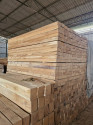
Solid wood is manufactured from natural timber logs without engineered layers.
Popular solid wood species include:
Each furniture piece is carved directly from timber, making it highly durable and naturally attractive.
Solid wood has been used for centuries in luxury furniture, doors, flooring, and premium interior projects.
| Feature | Decorative Wood Sheets | Solid Wood |
|---|---|---|
| Material | Engineered Finish | Natural Timber |
| Appearance | Wide variety of designs | Unique natural grain |
| Durability | Moderate to High | Very High |
| Cost | Affordable | Expensive |
| Installation | Easy | Skilled craftsmanship required |
| Maintenance | Low | Moderate |
| Moisture Resistance | Good (depends on material) | Varies by wood species |
| Color Options | Hundreds | Limited Natural Shades |
| Customization | Excellent | Moderate |
| Lifespan | 10–20 Years | 30–100+ Years |
One of the biggest advantages is design flexibility.
Manufacturers offer:
Modern decorative sheets closely resemble natural wood while offering numerous colors unavailable in real timber.
Every piece of solid wood possesses unique grain patterns.
No two pieces are identical.
Luxury homes prefer solid wood because it creates a premium and timeless appearance.
Popular grains include:
Decorative sheets themselves are surface finishes.
Their durability depends on:
Premium laminates can easily last 10–20 years under normal residential use.
Solid wood is considerably stronger.
Advantages include:
Properly maintained solid wood furniture often survives 50–100 years.
The cost of decorative wood sheets and solid wood varies depending on quality, thickness, finish, wood species, and brand. Below are typical market price ranges.
| Material | Approximate Price |
|---|---|
| Decorative Laminate Sheet | ₹700 – ₹2,500 per sheet (8 ft × 4 ft) |
| Decorative Veneer Sheet | ₹60 – ₹350 per sq. ft. |
| PVC Decorative Sheet | ₹40 – ₹180 per sq. ft. |
| Acrylic Decorative Sheet | ₹180 – ₹450 per sq. ft. |
| Decorative MDF Panel | ₹90 – ₹350 per sq. ft. |
| Pine Solid Wood | ₹1,200 – ₹2,500 per cubic ft. |
| Rubber Wood | ₹1,600 – ₹2,800 per cubic ft. |
| White Oak | ₹4,500 – ₹8,500 per cubic ft. |
| American Walnut | ₹7,000 – ₹12,000 per cubic ft. |
| Teak Wood | ₹4,000 – ₹15,000+ per cubic ft. |
Note: Prices are indicative and vary by city, supplier, wood grade, moisture content, import duties, and market conditions.
Maintenance is minimal.
Simply clean with:
No polishing is generally required.
Solid wood requires periodic maintenance.
This includes:
Proper care significantly extends its lifespan.
Premium laminates and PVC sheets provide excellent resistance against:
Ideal for kitchens and bathrooms when installed correctly.
Natural wood expands and contracts due to humidity.
Certain species like Teak and White Oak perform better in moist conditions than Pine or Rubber Wood.
Modern manufacturers increasingly produce eco-friendly decorative panels using:
However, some laminates use synthetic resins.
Solid wood is renewable if sourced from sustainably managed forests.
Look for certifications such as:
Sustainably harvested timber has a lower environmental impact.
If your priority is:
Choose Decorative Wood Sheets.
They provide attractive finishes at significantly lower costs and are ideal for modern homes, offices, and commercial spaces.
Choose Solid Wood.
Although the initial investment is higher, its unmatched durability, strength, and natural elegance make it worthwhile for high-end furniture and architectural projects.
There is no universal winner—your choice depends on your budget, design goals, and intended use.
If you need stylish, low-maintenance interiors with many finish options, decorative wood sheets are the practical choice. If you're looking for heirloom-quality furniture, natural beauty, and decades of durability, solid wood remains the premium option.
For many modern projects, a hybrid approach works best: use solid wood for structural components such as frames and doors, and decorative wood sheets for visible surfaces like cabinets, wardrobes, wall panels, and modular furniture. This balances cost, aesthetics, and longevity.
Yes. Decorative wood sheets are generally much more affordable than solid wood, making them suitable for budget-conscious residential and commercial interiors.
Solid wood can last 50–100 years or more with proper maintenance, while high-quality decorative wood sheet finishes typically last 10–20 years.
Yes. Modern veneer, laminate, and acrylic sheets closely replicate natural wood grains such as oak, walnut, teak, and ash.
Decorative laminates, acrylic sheets, and PVC decorative sheets are commonly preferred because they are easy to maintain and available in moisture-resistant finishes.
For premium furniture, luxury interiors, and long-term use, solid wood is often worth the investment due to its strength, longevity, and ability to be refinished.
No. Most decorative sheets do not require regular polishing and can be cleaned with a soft cloth and mild cleaner.
Both can be sustainable when sourced responsibly. Look for FSC- or PEFC-certified wood products and low-VOC decorative panels.
Yes. Scratches, dents, and worn finishes on solid wood can often be sanded and refinished, extending its service life.
Decorative wood sheets are generally preferred for offices, retail stores, hotels, and other commercial spaces because they offer design flexibility and lower maintenance.
Absolutely. Using solid wood for the structural framework and decorative wood sheets for the visible surfaces is a popular approach that delivers durability, attractive aesthetics, and better cost efficiency.